How Cal-a-Vie Health Spa Brought Its Wellness Program Onto the Tablet
Introduction
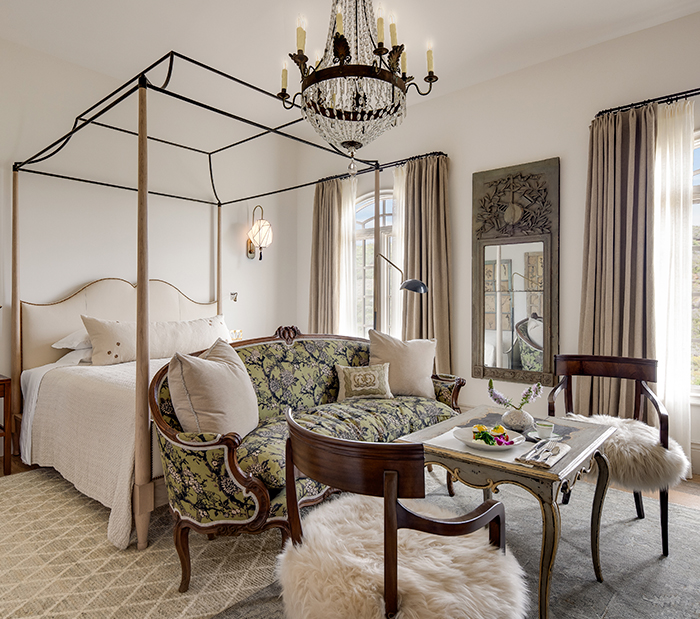
Tucked into the rolling hills north of San Diego, Cal-a-Vie Health Spa runs one of the most curated wellness programs in North America. Each guest stay is a fully scheduled week of morning hikes, fitness classes, mind-body sessions, spa treatments, nutritionist consultations, and evening menus. For decades, that program lived in a 110-page in-room binder, a part of the Cal-a-Vie experience guests genuinely enjoyed leafing through.
But fitness schedules change daily, menus weekly, and hiking conditions with the seasons, and a printed binder can only ever be as current as its last reprint. In early 2026, Cal-a-Vie moved the entire program onto SuitePad in-room tablets and extended the platform into the spa, fitness, and nutrition operations of the property.
Results at a glance: guests spend an average of 4 minutes 23 seconds per session, well above the hospitality norm, because they are planning their day rather than glancing at a menu. Monthly engagement has grown roughly seven-fold between February and May 2026 as the program settled onto the screen, and the marketing team now updates the daily schedule once, with the change reaching every device in under a minute.
About Cal-a-Vie Health Spa
Cal-a-Vie Health Spa is a destination wellness retreat set in the rolling hills of Vista, California, just north of San Diego. The property runs weeklong, all-inclusive programs combining fitness, nutrition, spa, and mind-body work for an intimate group of guests at a time.
Cal-a-Vie has been voted North America's #1 Destination Health Spa by Travel + Leisure and is consistently recognized by Condé Nast Traveler, USA Today, and Andrew Harper as one of the leading destination spas in the world.
Looking for a Suitable Digital Solution
Cal-a-Vie had run an earlier in-room tablet pilot. After recurring hardware quirks, screens that never fully went dark and docking stations that occasionally lost contact during the night, the rollout was paused and the devices put into storage. For a property where every detail of the guest experience is curated, a tablet that vibrated on the nightstand or required a workaround did not meet the brand standard.
When the team revisited the question, the brief was specific: mature, hospitality-grade hardware, a content backend that updates without breaking, the option to extend the platform beyond the guest room into spa and fitness operations. SuitePad, by then in its fourth generation of in-room hardware after more than a decade of iteration, was selected. The deciding factor was not a single feature, but the absence of compromise across hardware, software, and service.
A Wellness Program Guests Can Hold in Their Hand
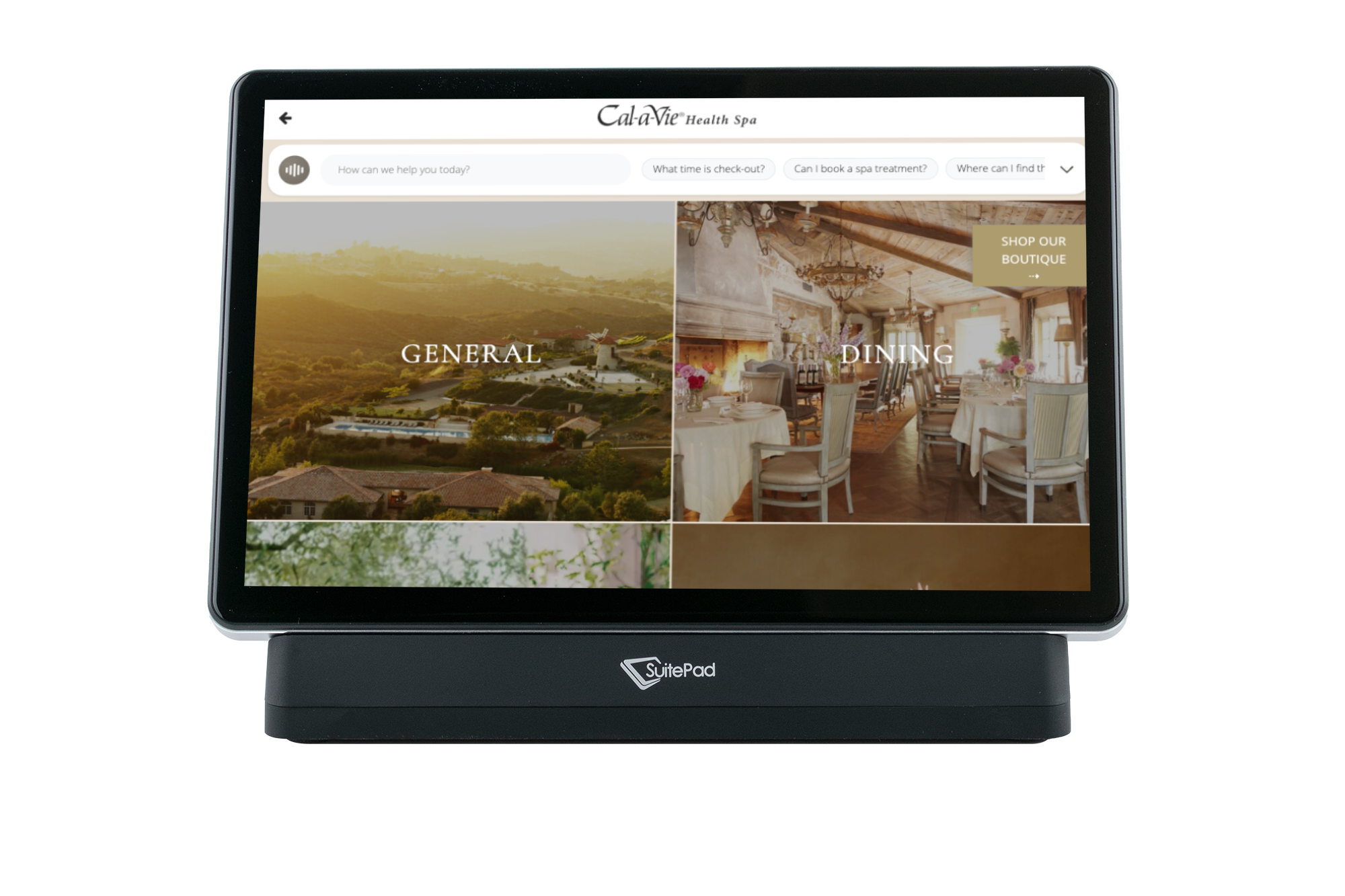
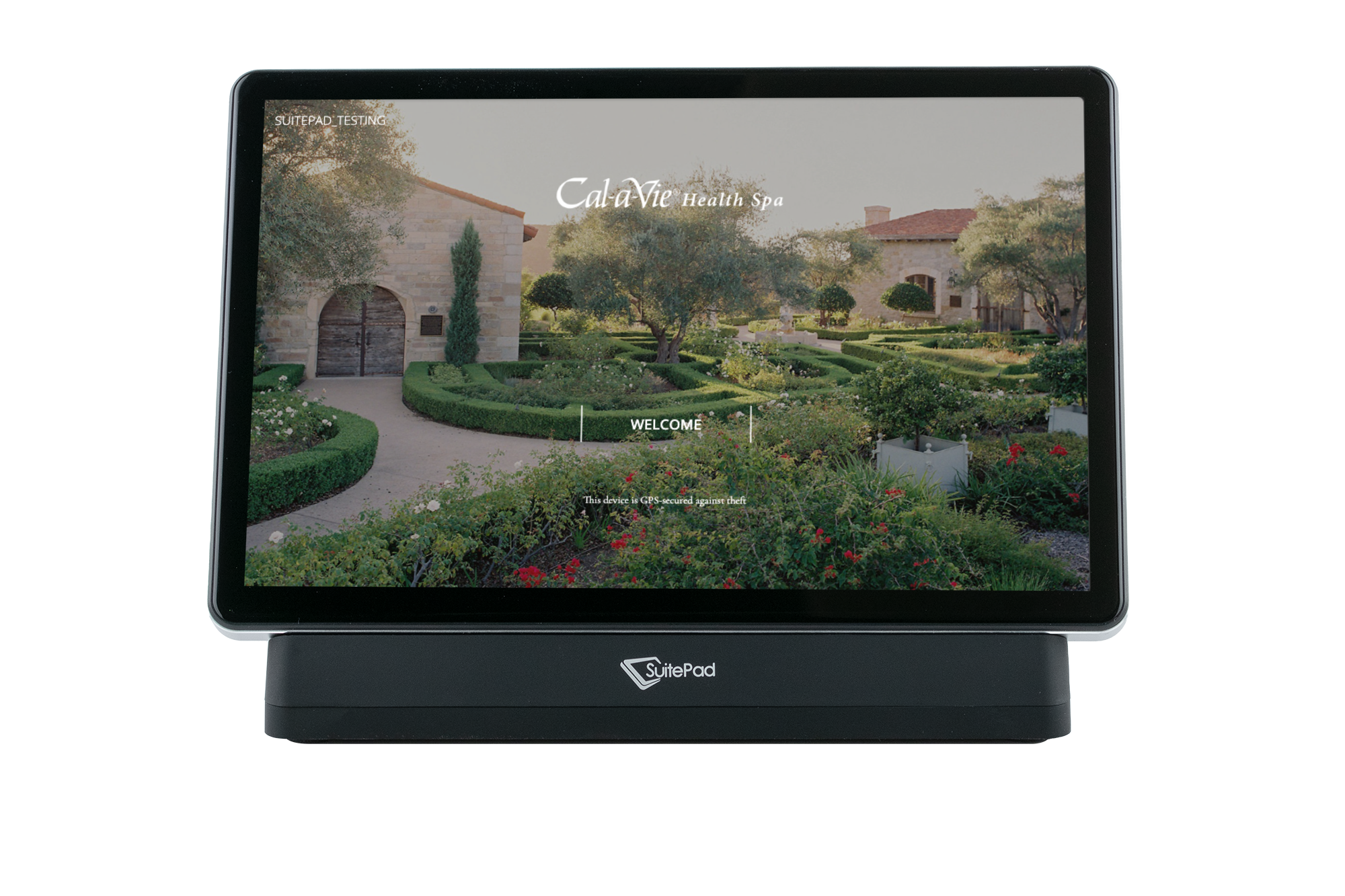
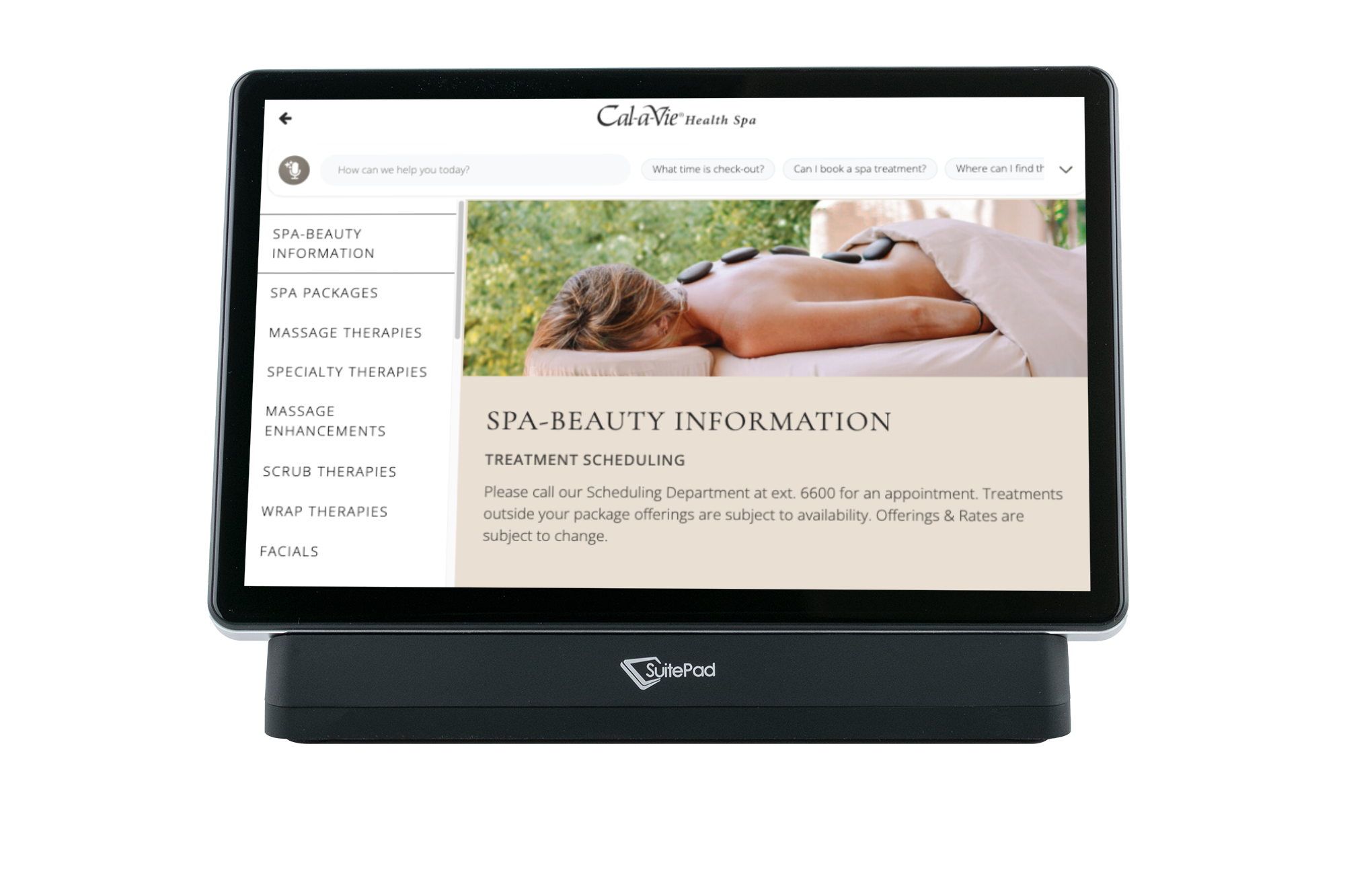
The Cal-a-Vie installation is built around the daily program. Tiles for fitness, mind-body, spa, nutrition, dining, and hiking sit at the center of the homescreen. Behind each tile is content the Cal-a-Vie marketing team updates daily: the fitness schedule, the day's menu, instructor bios, treatment availability, hiking trail conditions. What used to be a printed insert is now a saved-and-published change in the SuitePad backend that appears on every device almost instantly.
For guests, the tablet also handles in-room requests. Asks for additional towels, blankets, or engineering needs route directly to the right team without a phone call. For weddings and events, a meaningful part of Cal-a-Vie's business, selected suites can show event-specific tiles for that day without touching the other rooms.
One Platform, Every Screen
What makes the Cal-a-Vie deployment unusual is reach. SuitePad runs in the guest suites, but the same platform also powers the large lobby and common-area screens across the property: in the spa lobby, in beauty rooms, in fitness studios, at the front desk, and in the nutrition consultation rooms.
The content layer is shared where it makes sense. The daily fitness schedule, the dining menu, and treatment availability appear consistently on tablets and screens alike. But each surface also carries content tailored to its context: an in-room tablet shows the guest's personal day plan, while a fitness-studio screen shows the next class about to start. For Cal-a-Vie, SuitePad stopped being a guest-room amenity and became a thin layer that runs across the property, with one team managing it from one backend.
The Outlook
Cal-a-Vie's deployment worked because it solved a content problem, not just a hardware one. A weeklong, daily-changing program had outgrown print, and moving it onto the tablet gave guests a living version of something they already loved while giving the team a single backend to run it from.
That combination is now heading to a second property. Cal-a-Vie is opening a smaller, seven-suite winery hotel next door, and the decision was made to open it without traditional in-room phones. SuitePad will provide in-room communications end to end, with the docking station's built-in handset replacing the legacy phone entirely.
What surprised us most isn't on the guest side, it's how much faster our team moves. Marketing updates the fitness schedule in the morning and it's on every device before guests are out of breakfast.
Ready to See Similar Results?
Discover how SuitePad in-room tablets can transform your guest experience and reduce operational costs.
BOOK A PRODUCT DEMO